
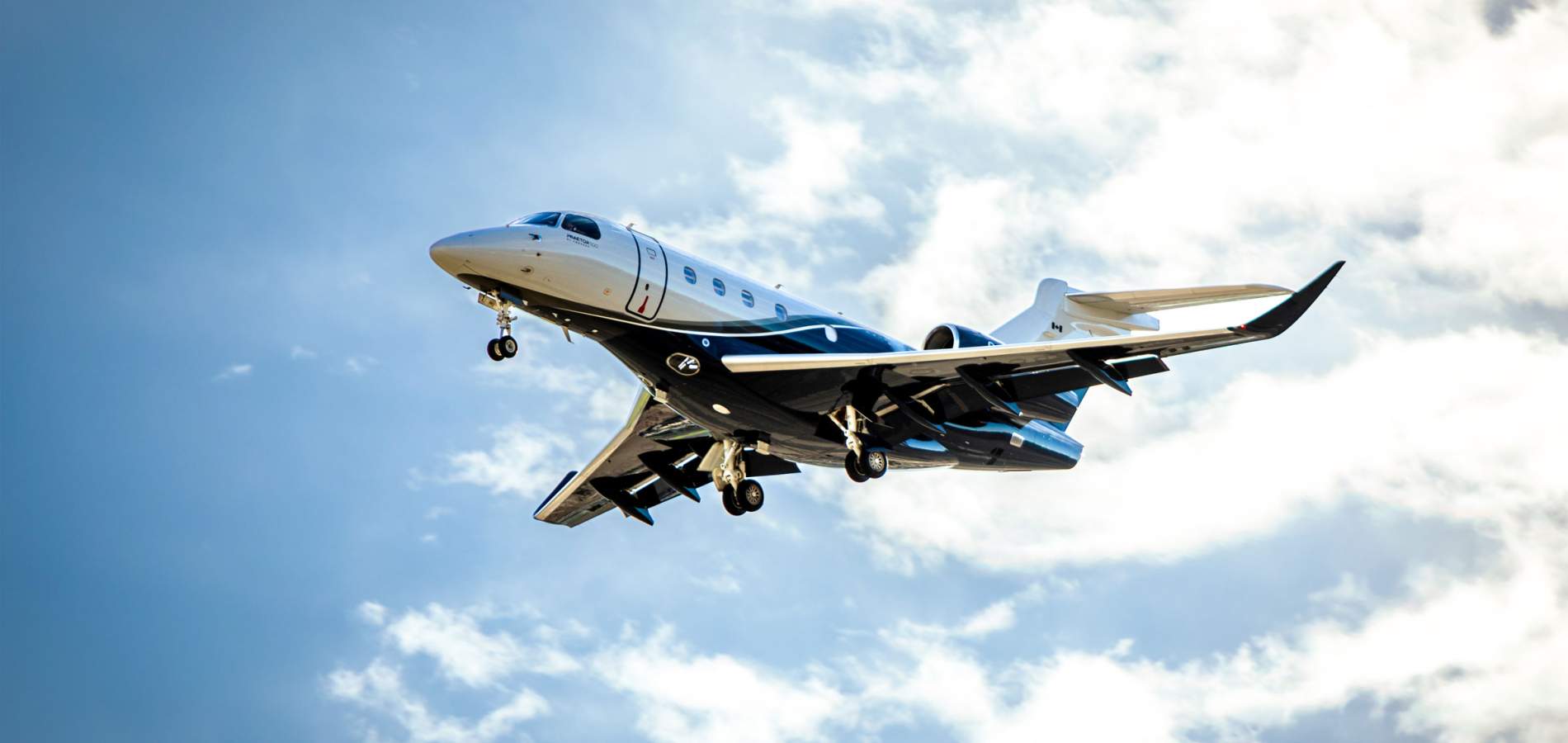
Why Fractional Aircraft Ownership is Emerging as the Preferred Alternative to Charter, Jet Cards, and Whole Aircraft Ownership
As private aviation continues to evolve, travellers are increasingly seeking solutions that balance convenience, flexibility, and long-term value.
This guide examines charter flights, jet cards, whole aircraft ownership, and fractional ownership, concluding that fractional ownership often provides the best combination of predictable costs, guaranteed access, and operational efficiency for individuals and organizations flying regularly throughout the year.
Introduction
Canada's vast geography and diverse economy make efficient travel essential for business leaders, entrepreneurs, professionals, and families alike.
As organizations become increasingly mobile and schedules more demanding, private aviation has emerged as a valuable tool for maximizing productivity, flexibility, and convenience.
Yet one important question remains: What is the most effective way to access private aviation?
The market offers four primary options: charter flights, jet cards, whole aircraft ownership, and fractional aircraft ownership. Each serves a different purpose, but for frequent travellers seeking a balance of flexibility, economics, reliability, and convenience, fractional ownership is increasingly recognized as the optimal solution.
This guide examines the Canadian private aviation landscape, compares the strengths and limitations of each access model, and explores why fractional ownership has emerged as one of the fastest-growing segments of the industry.
The Four Models of Private Aviation
Private aviation can be accessed in several ways, each offering a different balance of flexibility, cost, control, and commitment. Understanding the strengths and limitations of each model helps determine which solution best fits a traveller's needs.
Charter Flights
Charter remains the entry point for many first-time private aviation users. Travellers pay for individual flights without making a long-term commitment.
Advantages
- No capital investment
- Suitable for infrequent travellers
- Wide variety of aircraft types
Limitations
- Aircraft availability can fluctuate
- Quotes may be subject to aircraft owner’s approval
- Pricing varies significantly based on market demand
- Peak travel periods often result in higher costs
- Service and aircraft consistency can vary
- Positioning fees may apply
- De-icing, Wi-Fi, landing fees, customs fees, and other applicable charges may apply
- Cancellation fees may be applicable
While charter offers flexibility, many frequent users eventually seek greater predictability and reliability.
Jet Cards
Jet cards were developed to provide a more structured alternative to charter. Travellers pre-purchase flight hours, often at fixed rates, in exchange for enhanced booking priority and service consistency.
Advantages
- Simplified booking
- Predictable hourly pricing
- Reduced planning complexity
Limitations
- High hourly costs
- Limited equity value
- Expiration clauses and restrictions
- Peak day surcharges
- Geographic limitations
Jet cards offer convenience but often provide limited long-term value for travellers who fly frequently.
Whole Aircraft Ownership
Whole aircraft ownership provides maximum control and exclusivity. Owners determine aircraft specifications, staffing, scheduling, and operating procedures.
Advantages
- Complete control
- Dedicated aircraft
- Customized experience
Limitations
- Significant capital investment
- Ongoing maintenance costs
- Depreciation exposure
- Crew management responsibilities
- Regulatory and operational oversight
Industry utilization data consistently shows that many privately-owned aircraft spend substantial time idle while continuing to generate ownership expenses.
For most organizations and families, utilization rates do not justify sole ownership.
Fractional Aircraft Ownership
Fractional ownership bridges the gap between access and efficiency. Owners enjoy the benefits of ownership without assuming the full burden of operating an aircraft independently.
Advantages
- Equity ownership
- Predictable costs
- Guaranteed access
- Professional management
- Consistent service standards
- Reduced administrative responsibility
This combination explains why fractional ownership continues to gain momentum among sophisticated private aviation users.




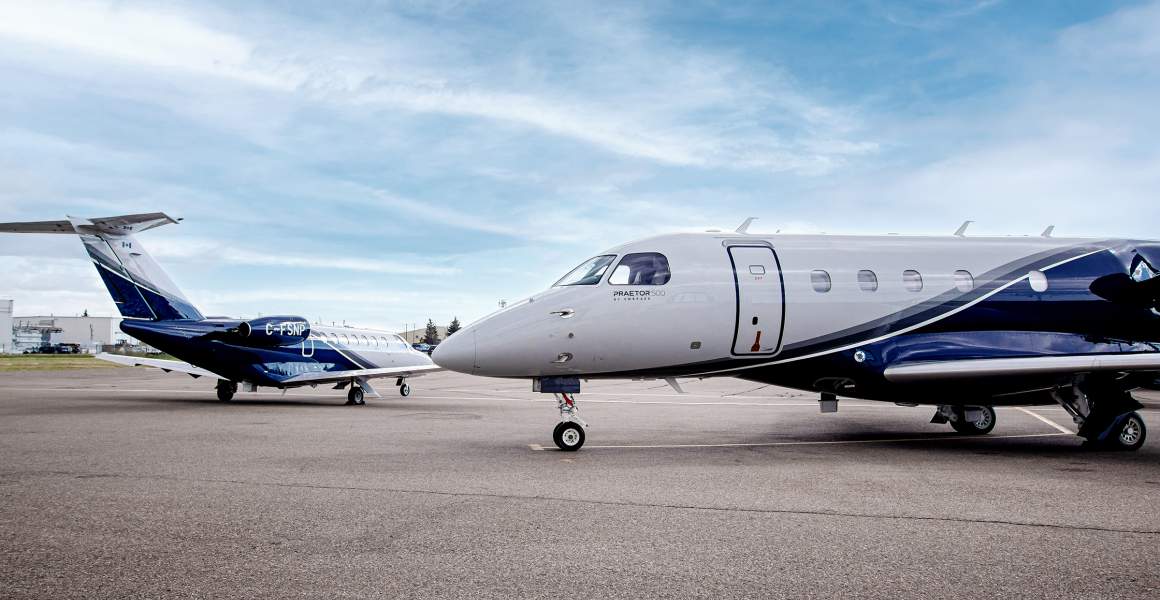


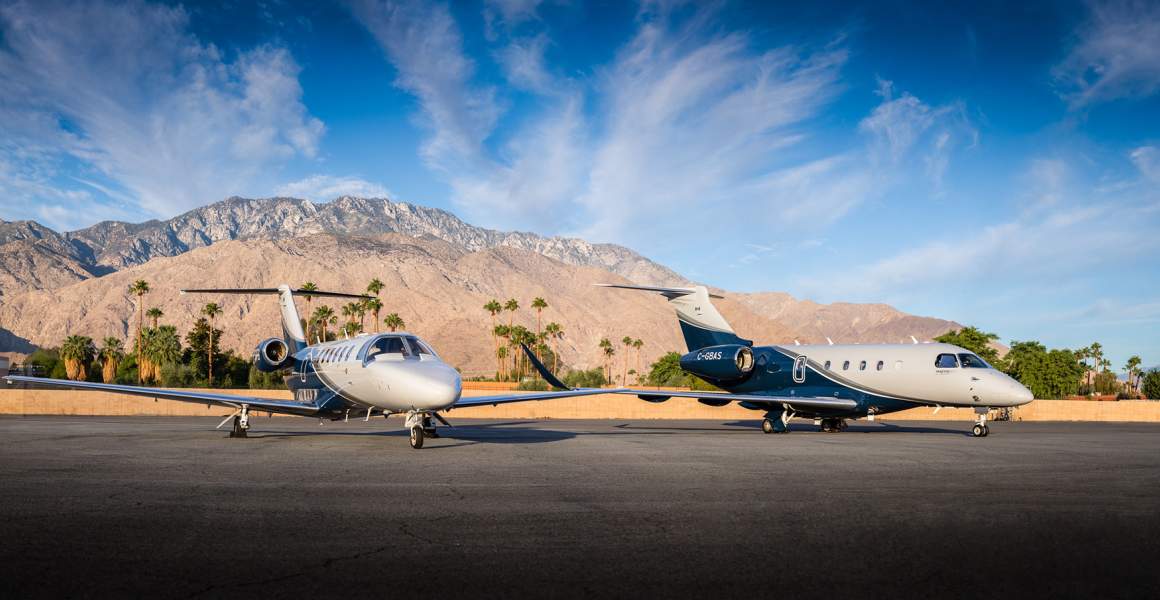
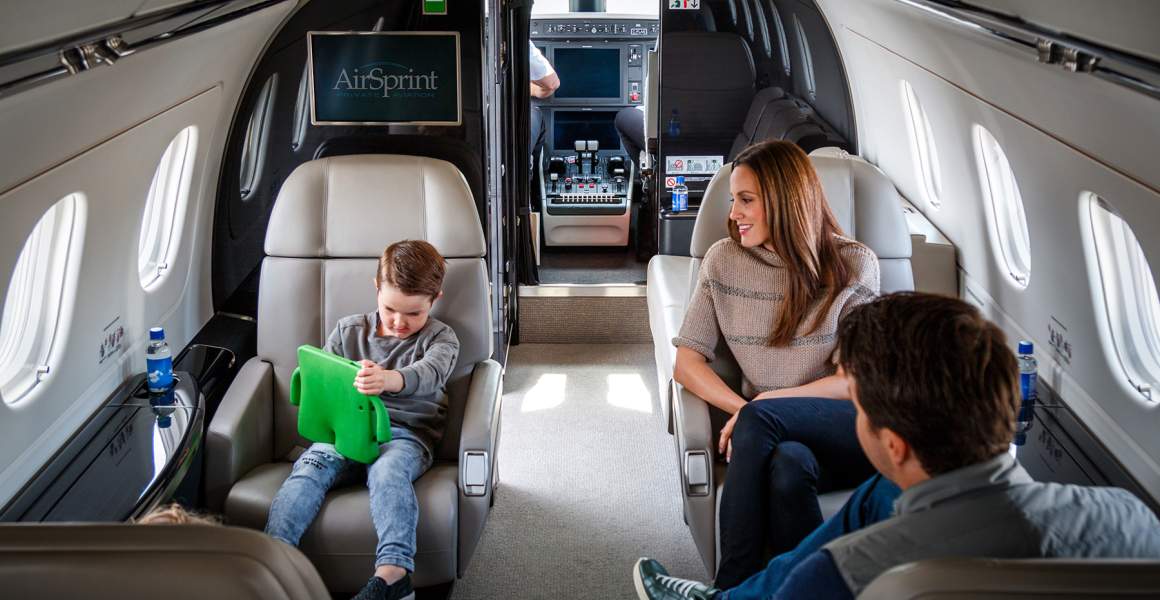








Understanding Fractional Aircraft Ownership
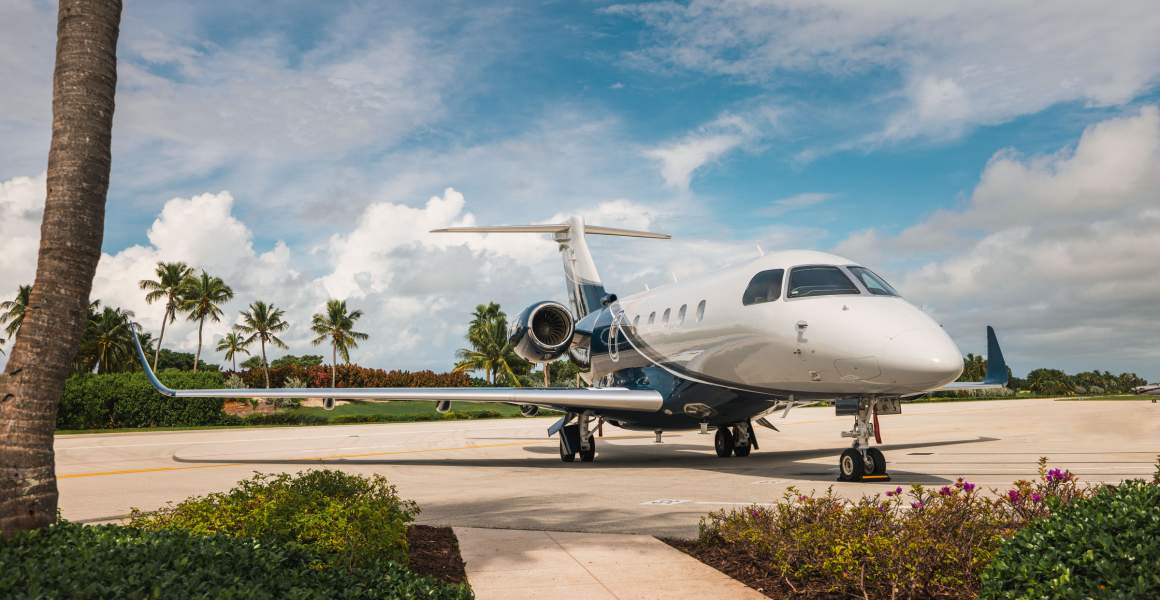
Fractional aircraft ownership allows individuals, families, and organizations to purchase a share of an aircraft based on their anticipated annual flying requirements rather than acquiring an entire aircraft.
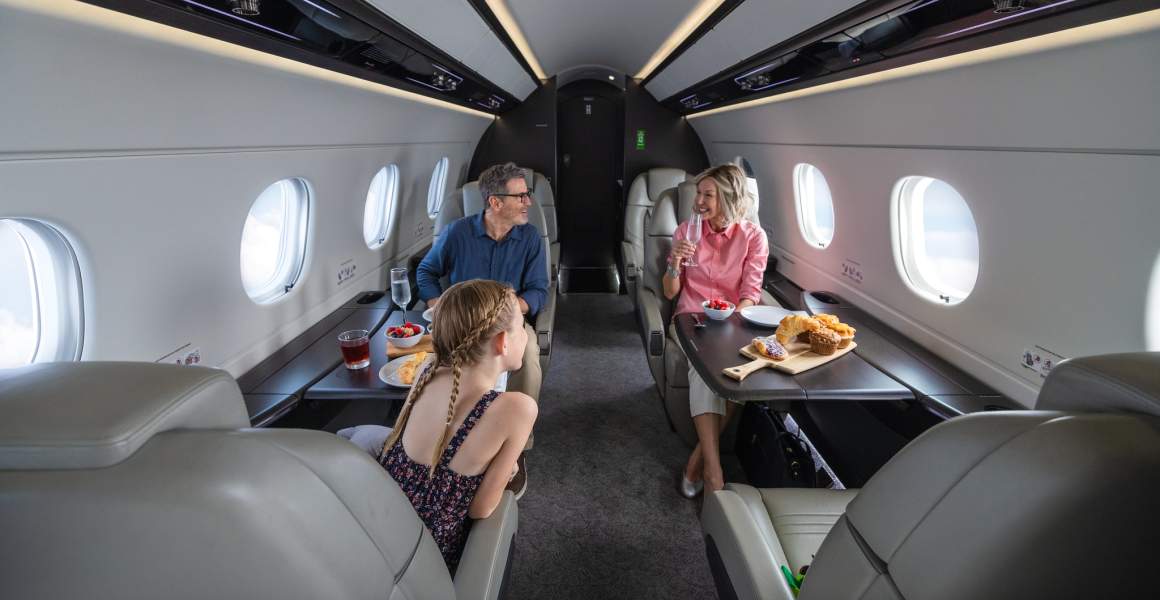
In exchange, Owners gain the benefits of private aviation, including guaranteed access, enhanced scheduling flexibility, and a consistent travel experience, while sharing the costs of acquisition and operation with other Owners. Aircraft management, maintenance, crew staffing, insurance, and regulatory compliance are handled by the provider, eliminating many of the responsibilities associated with sole ownership.
The model bridges the gap between charter and whole aircraft ownership, providing a level of access and predictability that appeals to frequent travellers without requiring the substantial capital investment of owning an aircraft outright.
For many Canadians flying between 25 and 250 hours annually, fractional ownership offers an attractive combination of convenience, value, and ownership benefits.
Why Fleet Size Matters
One of the most important yet often overlooked factors when evaluating a fractional provider is fleet size.
A larger fleet creates greater operational flexibility, improved availability, and enhanced reliability, helping ensure owners can travel when and where they need to.
Benefits include:
- Greater aircraft availability
- Improved scheduling flexibility
- Better maintenance redundancy
- Increased operational resilience
- Enhanced owner experience
- More opportunities to take advantage of Empty Leg flights
- Greater flexibility to accommodate changes in travel plans
- Reduced impact from unexpected maintenance events or aircraft downtime
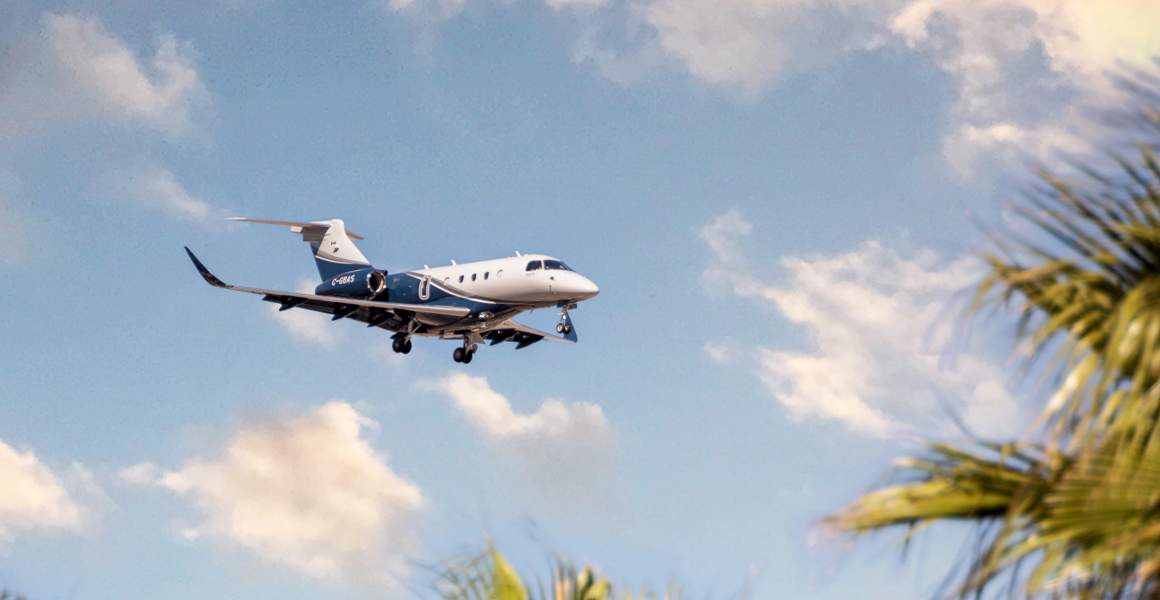
AirSprint recently welcomed its 45th aircraft into service, representing a significant milestone in the company's continued growth.
A fleet of this scale allows Owners to benefit from extensive scheduling flexibility while reducing the operational risks associated with smaller fleets.
When an aircraft is unavailable due to maintenance or scheduling demands, Owners benefit from access to a larger network of aircraft capable of meeting their travel requirements.
Connecting Canada to North America and Beyond
Modern business demands mobility.
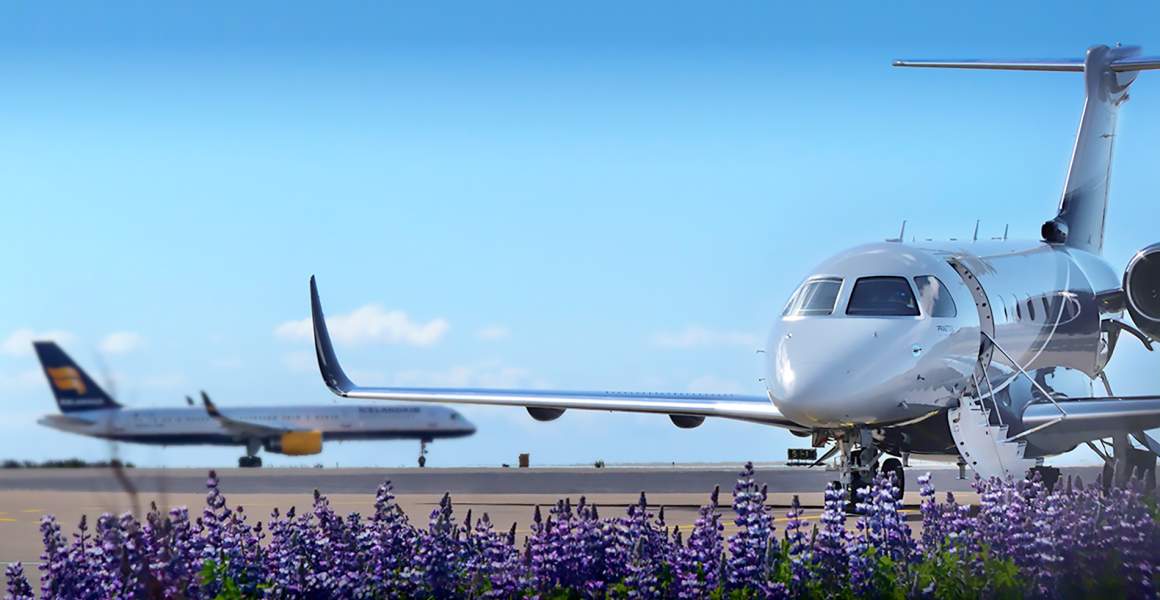
Executives increasingly require efficient travel between major Canadian cities, secondary markets, the United States, Mexico, and international destinations.
AirSprint's growing fleet supports travel to destinations throughout:
- Canada
- The United States (including Alaska and Hawaii)
- Mexico
- The Caribbean
- Europe
- South America
- Central America
Whether travelling from Calgary to Toronto, Vancouver to New York, Halifax to Miami, or onward to destinations across North America and beyond, owners benefit from a travel experience designed around their schedule rather than commercial airline limitations.
Long-range capability combined with fleet flexibility allows owners to maximize productivity while minimizing travel friction.
The Economics of Time
For many business leaders, entrepreneurs, and professionals, the true value of private aviation extends far beyond simply getting from one destination to another.
It is about maximizing one of life's most valuable and finite resources: time.
It is measured through:
- Time saved
- Productivity gained
- Opportunities captured
- Family time preserved
- Stress reduced
For senior executives and business owners, time is often the most valuable resource.
Private aviation allows travellers to convert lost travel hours into productive hours.
Fractional ownership makes those benefits accessible without the financial inefficiencies associated with sole ownership.
Frequently Asked Questions
Whether comparing charter, jet cards, whole aircraft ownership, or fractional ownership, travellers often have similar questions.
The answers below provide an overview of the key considerations when evaluating private aviation solutions.
Choosing the Right Private Aviation Solution
-
How do I know which private aviation solution is right for me?
The ideal solution depends on annual flight hours, trip frequency, passenger count, travel patterns, desired flexibility, and whether aircraft ownership is important to the individual or organization.
-
Is private aviation more affordable than most people think?
While private aviation is often associated with whole aircraft ownership, there are several access models available today. Solutions such as fractional ownership can provide many of the benefits of private travel at a significantly lower cost than owning and operating an aircraft independently.
-
What are the biggest advantages of private aviation beyond saving time?
While time savings are often the most visible benefit, private aviation also offers greater flexibility, access to more airports, enhanced productivity, privacy, security, and a more personalized travel experience. These advantages can create significant value for both business and personal travel.
Fractional Ownership vs. Charter
-
Is fractional ownership cheaper than charter?
For occasional travellers, charter may be less expensive. For frequent travellers seeking predictable access, availability, and budgeting, fractional ownership often delivers greater value.
-
Why do travellers choose fractional ownership over charter?
While charter provides flexibility without a long-term commitment, fractional ownership offers guaranteed aircraft access, more predictable costs, consistent service standards, and an equity stake in an aircraft. For frequent private aviation users, these benefits often make fractional ownership a more attractive solution than booking individual charter flights.
-
Does fractional ownership provide better availability than charter?
Yes. With charter, aircraft availability can become limited during peak travel periods, weather events, or high-demand seasons. Fractional ownership programs typically provide guaranteed access and defined service levels, offering greater confidence and predictability than relying solely on charter availability.
-
Is fractional ownership more predictable than charter?
Charter pricing and availability can fluctuate based on market demand, aircraft positioning requirements, and travel dates. Fractional ownership offers more predictable costs and access, making it easier to plan and budget for regular travel.
Fractional Ownership vs. Jet Cards
-
Is fractional ownership better than a jet card?
Fractional ownership provides equity ownership, greater long-term cost predictability, and enhanced fleet access compared to most jet card programs.
-
What are the advantages of fractional ownership over a jet card?
While both solutions provide access to private aviation, fractional ownership includes an ownership interest in an aircraft and often provides greater long-term value for frequent travellers. Fractional provides a consistent experience from the quality of the aircraft, its crew, safety and the interaction with your Personal Flight Concierge. Jet cards are typically better suited to individuals who fly less frequently and prefer a pay-as-you-go approach.
-
Is a jet card or fractional ownership better for frequent travellers?
For travellers flying regularly throughout the year, fractional ownership often provides greater cost predictability, stronger availability, and the benefits of aircraft ownership.
Fractional Ownership vs. Commercial Airlines
-
Can fractional ownership save time compared to commercial airlines?
Yes. Private aviation eliminates lengthy security lines, connections, and airport congestion while providing access to thousands of airports not served by commercial airlines. You’re also able to fly on your schedule.
-
Why do business leaders choose private aviation over commercial airlines?
Private aviation allows travellers to maximize productivity, control their schedule, visit multiple destinations in a single day, and access airports closer to their final destination.
-
Can private aircraft access airports that airlines cannot?
Yes. Private aircraft can access thousands of airports across North America that are not served by commercial airlines, often reducing total travel time significantly.
Fractional Ownership vs. Whole Aircraft Ownership
-
Is whole aircraft ownership worth it?
For organizations requiring extremely high utilization, whole aircraft ownership may be appropriate. However, many Owners discover that utilization levels do not justify the substantial capital and operating costs.
-
How does fractional ownership compare to owning a whole aircraft?
Fractional ownership provides many of the benefits of private aviation without the full capital investment, operational responsibilities, and ongoing fixed costs associated with whole aircraft ownership.
-
Is fractional ownership considered an asset?
Yes. Unlike charter or jet card programs, fractional ownership includes an equity interest in an aircraft that may retain residual value at the end of the ownership term.
-
What are the hidden costs of whole aircraft ownership?
In addition to the purchase price, Owners are responsible for crew salaries, training, maintenance, hangarage, insurance, subscriptions, regulatory compliance, and asset depreciation.
What to Expect with Fractional Ownership
-
How is one fractional ownership provider different from another?
Fractional ownership providers can differ significantly in fleet size, aircraft types, geographic coverage, booking windows, service standards, and operational infrastructure. For example, AirSprint was purpose-built for Canadian travellers, with aircraft, crews, maintenance resources, and support teams positioned across Canada.
-
Can Owners access different aircraft types?
Many fractional ownership programs provide access to multiple aircraft types within a fleet, allowing Owners to select the aircraft best suited to each mission while maintaining a single ownership relationship.
-
Why is fleet size important?
Fleet size directly affects availability, reliability, maintenance flexibility, and scheduling options. Larger fleets typically provide a more seamless ownership experience, with greater operational redundancy and more opportunities to accommodate changing travel plans.
-
What happens if an aircraft is unavailable due to maintenance?
In a well-managed fractional program, another aircraft from the fleet is typically provided, helping ensure uninterrupted access and minimizing travel disruptions.
-
Do Owners have to manage maintenance, crews, or insurance?
No. One of the primary benefits of fractional ownership is that aircraft management, maintenance, crew staffing, training, insurance, and regulatory compliance are handled by the provider.
-
How quickly can a flight be booked?
Booking windows vary by provider and are often influenced by fleet size and aircraft availability. For example, AirSprint offers guaranteed access with as little as 24 hours' notice, providing Owners with flexibility when travel needs arise.
-
How many hours per year make fractional ownership worthwhile?
While every situation is unique, fractional ownership is often most attractive for individuals and organizations flying approximately 25 to 250 hours annually who value guaranteed access, consistency, and predictable costs.
-
What happens if travel requirements change over time?
Travel needs rarely remain static. Many ownership programs offer flexibility through options such as carrying unused hours forward, borrowing from future years, or adjusting ownership levels. For example, AirSprint offers an Hours Exchange, enabling Owners to buy or sell annual flight hours as their travel requirements evolve.
Conclusion
The Canadian private aviation market continues to evolve as travellers seek smarter alternatives to commercial air travel.
While charter flights, jet cards, and whole aircraft ownership each serve distinct purposes, fractional ownership increasingly represents the most balanced solution for individuals and organizations that fly regularly.
By combining ownership benefits, predictable economics, professional management, and access to a large fleet, fractional ownership delivers a compelling alternative that aligns with the needs of modern travellers.
As demand for private aviation continues to grow, fleet scale, operational reliability, and ownership efficiency will become increasingly important differentiators. With a fleet of 44 aircraft and the ability to connect owners across Canada, North America, and beyond, AirSprint exemplifies how the fractional ownership model is reshaping the future of private aviation in Canada.
Explore the AirSprint experience.
Editorial Note: Artificial intelligence tools were used to assist in the development and refinement of this publication. All content has been reviewed, fact-checked, and approved by AirSprint.